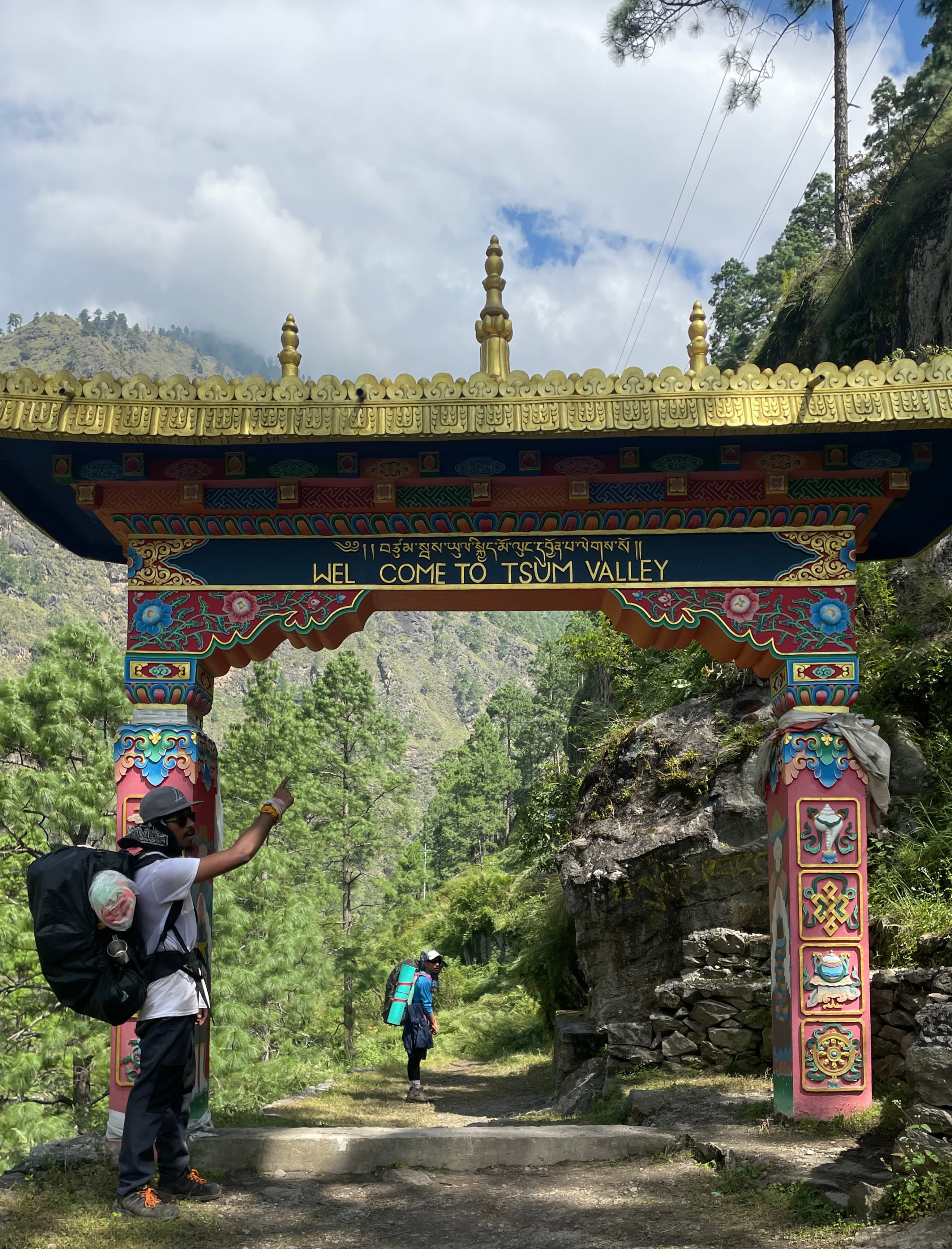
Toursim Destination
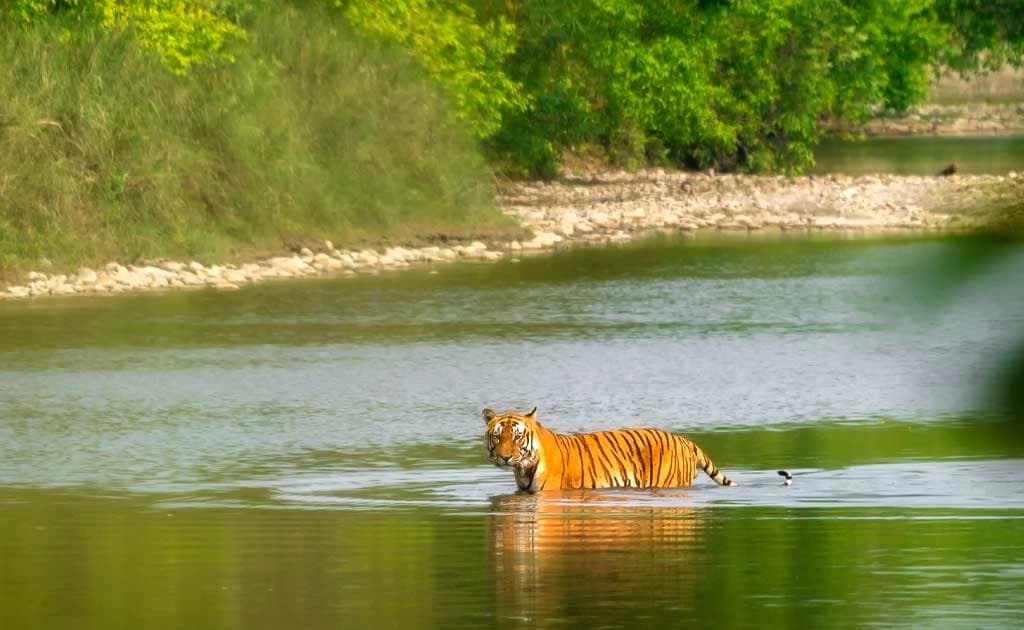
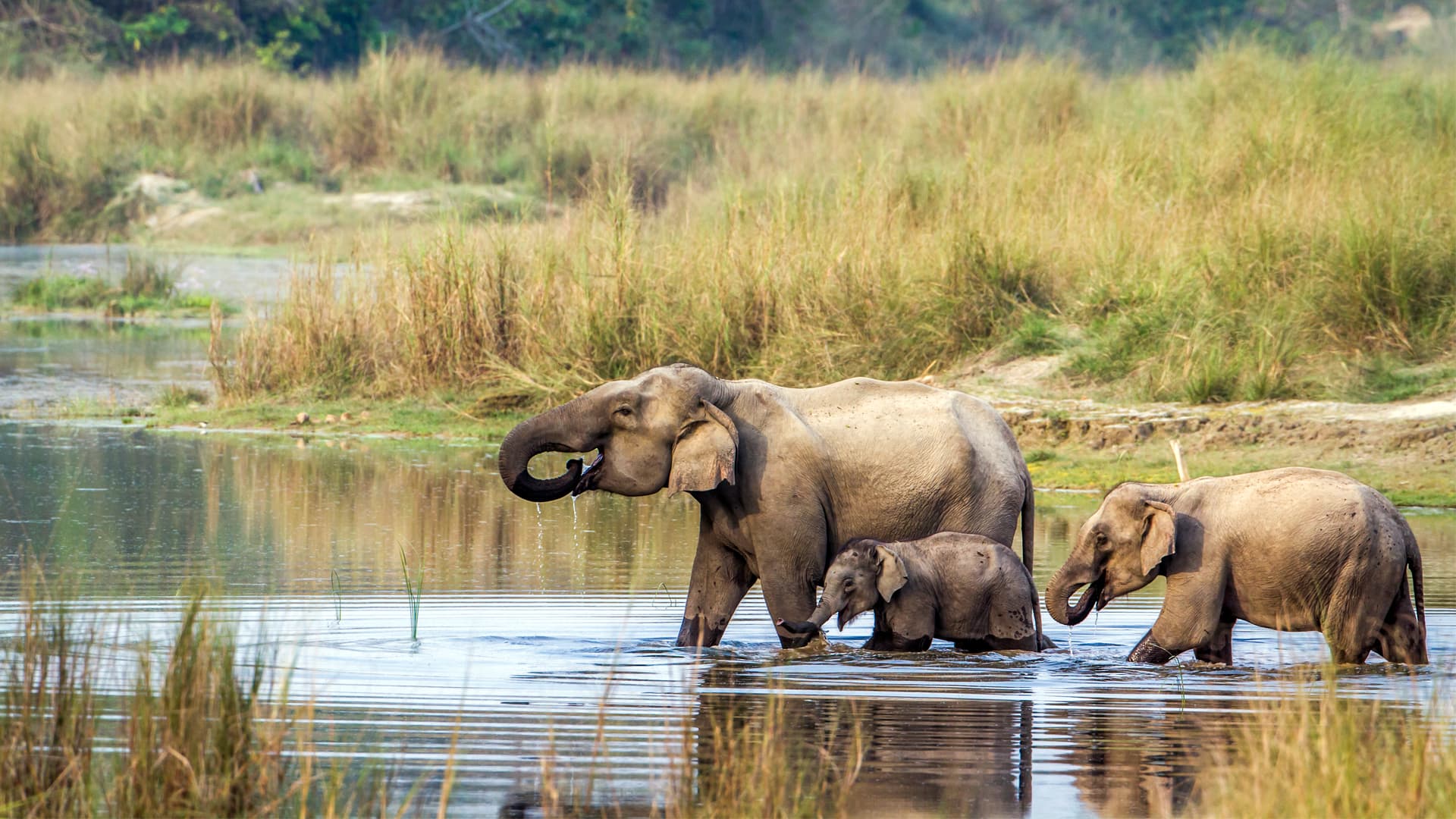
The Bardiya National Park is the largest and most undisturbed protected area in the Terai and is home to the endangered Royal Bengal tiger and Nepal's famous one-horned rhinoceros. The national park located in the mid western district of Bardiya, is bordered by River Karnali in the west, the Churia range in the north, while the River Babai flows right through the park. The varied geographical factors together with the thick cover of Sal, savannah forests and grasslands render this region ideal as wild animal habitat. The park hosts 53 different mammals, more than 400 species of birds, and several varieties of reptiles and water animals. Some of the other animals found here are elephant, swamp deer, black buck, gharial crocodile and marsh mugger crocodile. The fresh-water Gangetic dolphin is also commonly seen in River Karnali. Birds include endangered varieties of Bengal florican, lesser florican, silver-eared mesia and saruscrane. The park offers the rare opportunity of angling at River Karnali and River Babai.
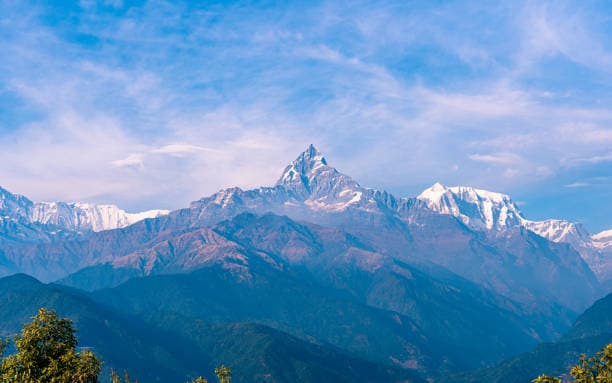
The Annapurna Conservation Area Is one of the around Kaski, Mustang, Manang and Lamjung distriots of Central Nepal. Starting with an altitude of 790 m, the area reaches as high as 8,091 m of Mt.Annapurna. Ghandruk is the first experience and further down is Ghorepani that provides fantastic panoramic view of the Annapurna ranges. Equally eye catching are hills of rhododendron that blossom every spring. The turning point of the Annapurna Circuit is Jomsom. The trek southeast from Jomsom, leads to the scenic Tilicho Lake area at an altitude of 4,919 m. In the circuit route, is the famous Hindu religious sites Muktinath Temple. The vegetation in this region includes various species of orchids and rhododendron. Wildlife includes 102 different kinds of mammals including rare endangered snow leopards and a very good population of blue sheep. The region also boasts of around 474 species of birds including multi-colored impheyan, koklas and blood pheasants. In addition the region is also home to 39 species of reptiles and 22 species of amphibians.
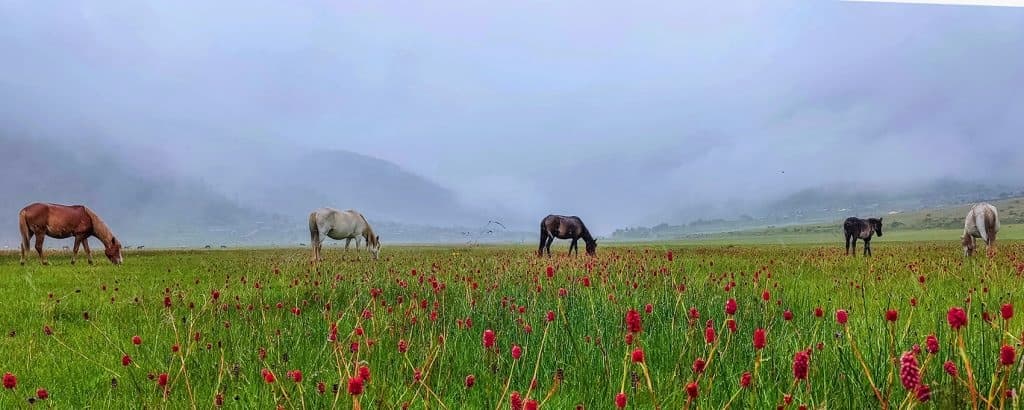
Dhorpatan Hunting Reserve is the only area in Nepal where licensed hunting is allowed. The reserve adjoins Myagdi district and Baglung district, just below the Dhaulagiri range in West Nepal. The reserve begins at 3,000 m reaches as high as 7,000 m. Trees like fir, pine, birch, rhododendron, hemlock, oak, juniper and spruce are available in the reserve. One of the prime attractions for hunters is the blue sheep, which is abundant in the area. Hunters also get pheasants and partridges in viable numbers for hunting. Other animals found here are leopard, ghoral, serow, Himalayan tahr, Himalayan black bear, barking deer, wild boar, rhesus macaque, langur and mouse hare. Endangered animals in the reserve are musk deer, wolf, red panda, cheer pheasant and Danphe.
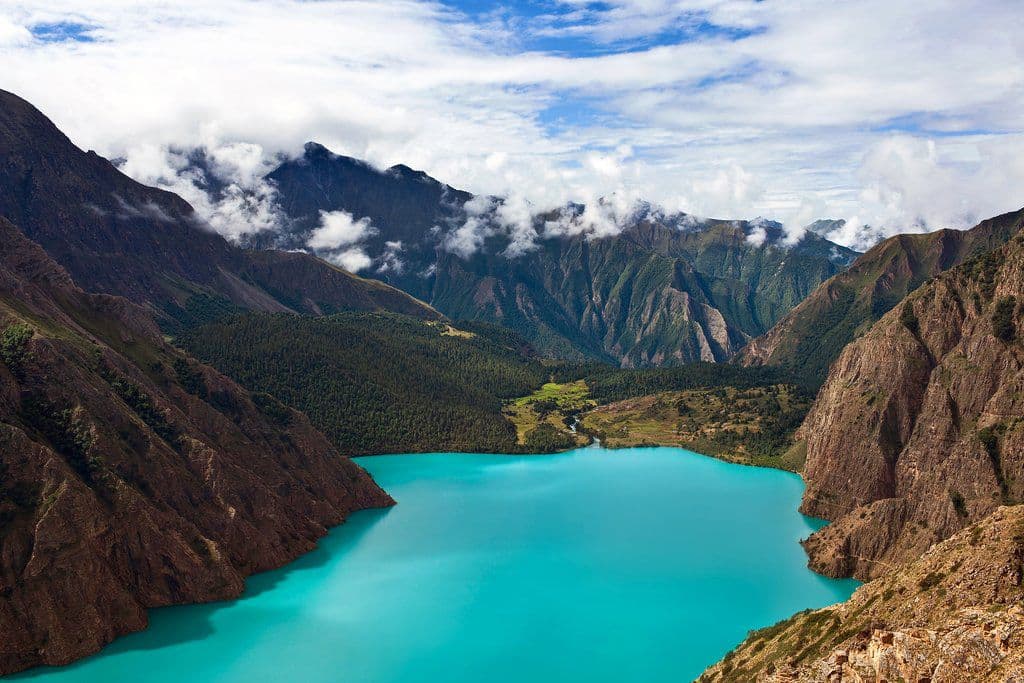
Shey-Phoksundo National Park is situated in the trans-Himalayan region of north-west Nepal. It is Nepal's largest national park. With diverse terrain and altitude variation, the park spreads over Dolpa and Mugu districts and supports a broad range of wildlife and vegetation. Geographical landmarks of the park are the Himalayan peaks in the north and Lake Phoksundo, in the southern region. Vegetation include pine, walnut, willow, oak, and cypress in the lower altitude and pine, spruce, juniper and birch at higher regions. Berberis, wild rose and caragana are seen in alpine areas while the regions higher up are mostly arid with grass alpine meadows with barely any trees. The park contains 286 flora species of botanical importance. Animals found in the region are sheep, ghoral, musk deer, leopard, wild dog, marmot, weasel, mouse hare, rhesus and langur monkeys, Himalayan tahr, Himalayan black bear and jackals. In the upper region is seen the rare and endangered snow leopard. Over 200 species of birds including yellow-throated marten, Tibetan partridge, wood snipe, white-throated tit, wood accentor, & crimson-eared rose finch are found in the park. Other species of birds found here are Impeyan, cheer pheasant, chough, ravens, Tibetan snow cock, Tibetan twit, brown dipper, Himalayan grifon & lammergeyer. Apart from these, the park is home to 6 species of reptiles and 29 species of butterfly
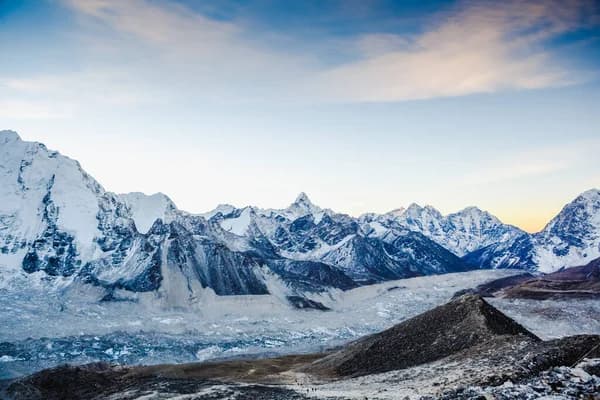
The prime attraction in the Sagarmatha National Park is Mt. Everest, the highest peak of the word. The park was added to the list of World Heritage Site in 1979. The park, a part of the Himalayan ecological zone, has several other prominent peaks most of which are above 6,000 m. With most. of the park above 3,000 m, Sagarmatha is full of rugged terrain with deep gorges, glaciers and huge rocks. With its Himalayan terrain and its unique culture, the park offers a blend of natural and cultural tourist products here. The vegetation at lower elevation is dominated by pine and hemlock forests, while above 3,500 m the forest is dominated with silver fir, birch, rhododendron, and juniper trees. During spring and monsoon the varieties of rhododendron flowers are seen. The common wildlife in the park are Himalayan tahr, ghoral, musk deer, pikka (mouse hare) weasel, jackal. Other rarely seen animals are Himalayan black bear, wolf, lynx, and snow leopard. Birds inhabiting the park are of over 193 species. Common ones among them are the impeyan pheasant (Danphe), blood pheasant, red- billed chough, yellow-billed chough, snow cock, snow pigeon, Himalayan griffon, and lanimergeyer. The national park also showcases the cultural trophies with the warm Sherpa hospitality and its many monasteries and cultural landmarks.
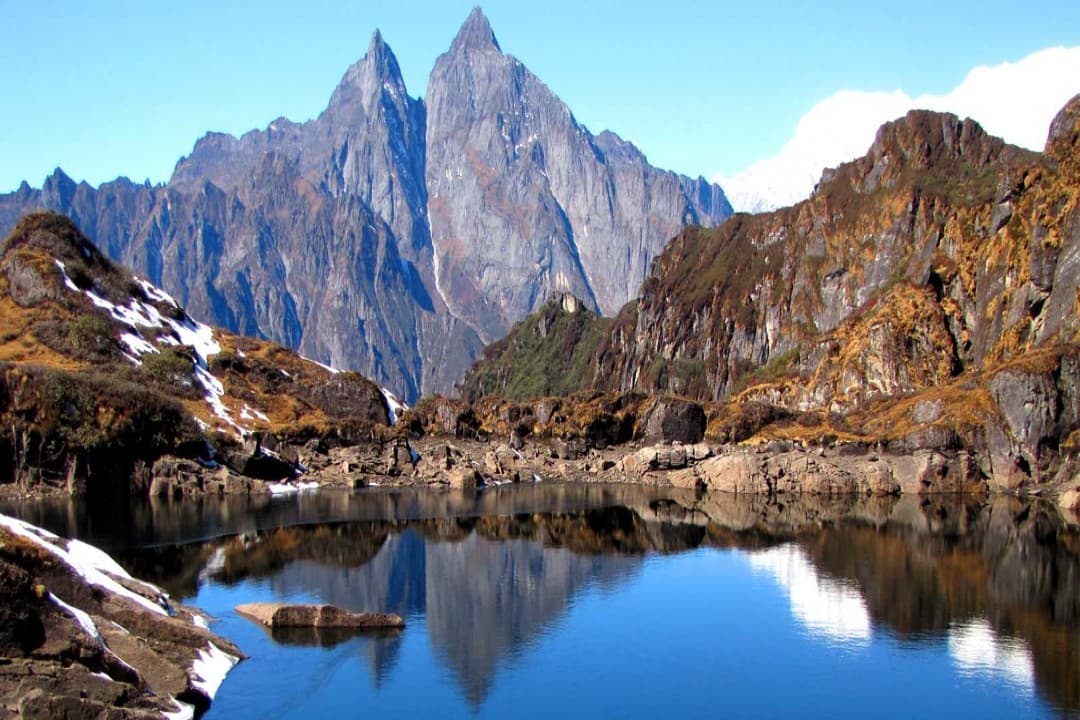
The park spreads over the districts of Sankhuwasabha and Solukhumbu in northeast Nepal. One of the prime attractions for visitors to the park is experience the unique Himalayan bio diversity. The vegetation ranges from sub tropical forests to sub alpine and alpine as the altitude increases. The park boasts of 48 species of orchids, 87 species of medicinal herbs, 25 of Nepal's 30 varieties of rhododendron, 19 bamboo species, 15 oak species, 48 species of primrose and 86 species of fodder trees. The park also offers bird-watching opportunities with its 400 species of birds, including the rare spotted wren babbler and the olive ground warbler. Wildlife include the endangered red panda, snow leopard, Himalayan black bear, clouded leopard, ghoral, tahr, wild boar, barking deer, Himalayan marmot, weasel, langur monkey and serow. River Arun that flows through the park has 84 varieties of fish including salmon.
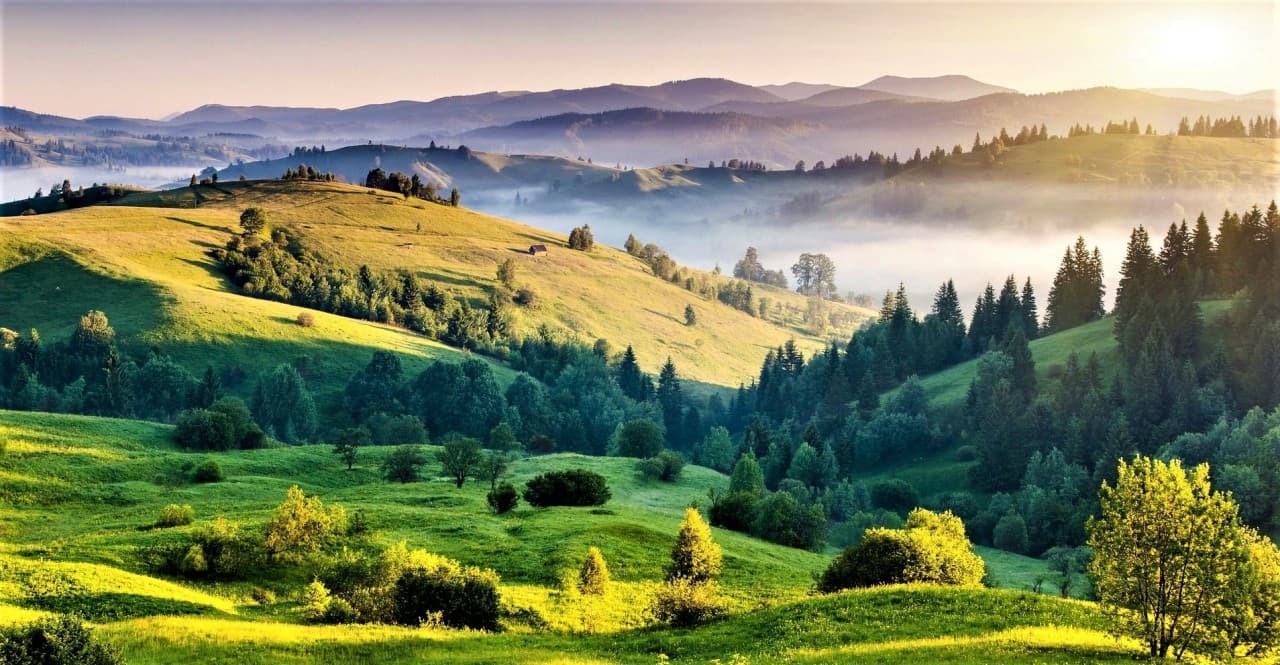
Khaptad National Park in west Nepal is the home of Late Khaptad Swami, the renowned scholar and a hermit. The park with rolling hills of grasslands and forests of subtropical, temperate and sub alpine vegetation, is also a rich natural habitat. The park boasts of 224 species of medicinal herbs and offers excellent bird watching opportunities, with 270 species of birds, the common ones being different varieties of impheyan pheasant, partridges, flycatchers, bulbuls, cuckoos and eagles. Animals in the park are barking deer, wild boar, ghoral, Himalayan black bear, yellow-throated marten, rhesus monkey and langur monkey. The park also offers religious sightseeing at Tribeni on the way to its headquarters. There are several historical temples surrounding this area and an annual celebration of Ganga Dashhara is held here every Jestha Purnima. Another religious site is Sahashra Linga at 3,200 m, the highest point of the park. Other religious areas in the park include Ganesh Temple, Nagdhunga, and Kedardhunga. These areas are ideal places for meditation. Towards the northeast of the park is Khaptad Lake where a festival is held every August and September.
Chitwan National Park was declared UNESCO Natural Heritage Site in 1984. The park that includes in its area a part of the Shivalik Hills, is covered with deciduous forests overlooking the flood plains of Narayani, Rapti and Reu rivers and offering a wilderness of rich ecosystem that includes mammals, birds, reptiles and water animals of several kinds. There are around 600 plant species, 56 mammals, 539 birds and 49 amphibians and reptiles found in the park. The highlight are the 412 Asian one-horned rhinoceros and some 59 Royal Bengal tigers that live in the dense forests of the park. Sharing home with these are other animals like rhesus monkey, langur, deer, leopards, gaur, wild boar, wild dogs and wild cats. Among reptiles are different kinds of snakes including the python, while the river areas breed reptiles like the endangered long snouted gharial popularly known as Gangetic crocodile and marsh crocodiles. The forest is alive during summer with the arrival of migrant birds like paradise flycatcher, Indian pitta and parakeets, while winter birds include waterfowl, Brahminy ducks, pintails, bar-headed geese, cormorants and migratory birds from Siberia. Other bird varieties are woodpeckers, hornbills, peacocks, peahens, floricans and redheaded trogons. A rare attraction of the park is the world's fresh-water dolphin sometimes seen in River Narayani. Another factor adding a distinct touch to the Chitwan experience is the colorful Tharu culture. There are also sites of religious and historical importance at Devghat, Pandavnagar, Balmiki Ashram and Kabilaspur.
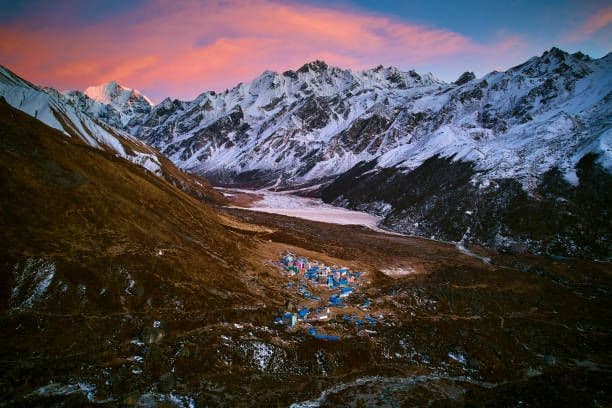
The park extends over parts of Nuwakot, Rasuwa and Sindhupalchok districts in the mountainous terrain of Nepal-China (Tibet) border. The chief attraction of this park is the Langtang range in the north and several lakes in the south. High-altitude jungles with diverse vegetation and wildlife, scenic lakes, glaciers and Himalayan peaks combine to make Langtang an attractive destination for visitors. Twenty five percent of the park’s total area is covered by forest, starting at sub-tropical forests below 1,000 m giving way to alpine scrubs and grasslands toward higher altitude. Animals seen here are wild dog, red panda, pika, muntjac, musk deer, Himalayan black bear, Himalayan tahr, ghoral, serow, rhesus monkey, common langur, snow leopard among others. Out of 373 species of birds commonly seen birds here are tragopan and impeyan pheasants. The Langtang Valley is also renowned for its holy Lake Gosainkunda. Thousands of Hindu pilgrims visit the lake area every year, especially during the Janai Purnima festival every August.
Manaslu Conservation Area declared as a conservation area in 1998 by the government of Nepal covers a distance of 1663 sq.km. The altitude ranges from 600m to 8163m as the eight highest peak of the world Mt. Manaslu also falls in this region. The trek to the conservation area starts from Gorkha. About 19 types of forests alongside three main categories of vegetation such as, low hill, middle mountain, high mountain can be found in this area. About 33 species of mammals, 110 species of birds, 11 species of butterflies and 3 species of reptiles can be found in this region.